Jul 18, 2026
How to Select Performance Fabrics for Custom Activewear
Compare stretch, recovery, opacity, weight, softness and moisture management when selecting fabrics for custom activewear.
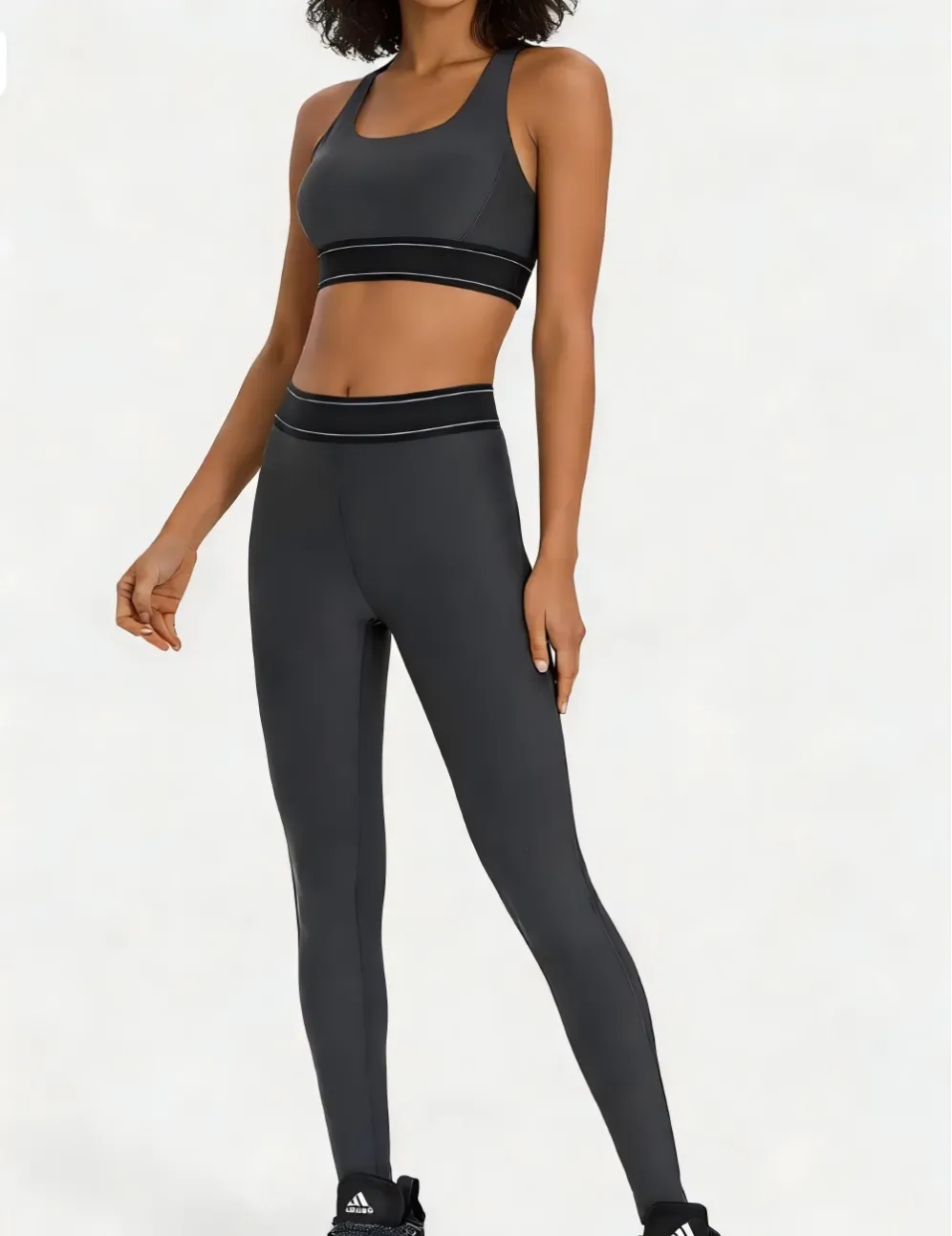
Fabric selection influences the fit, comfort, appearance and repeat purchase potential of an activewear product. The best fabric is not simply the softest or most expensive option; it is the material that matches the garment's use and construction.
Start with the activity. Training leggings may require strong stretch, recovery and opacity. Lightweight running tops may prioritize breathability and moisture management. Studio garments may place more emphasis on softness, drape and a smooth hand feel.
Stretch should be evaluated together with recovery. A fabric can stretch easily but fail to return to shape after repeated wear. Ask how the fabric performs in the intended garment and check whether the construction changes the final fit.
Weight and opacity are also important. A heavier fabric can provide structure and coverage, while a lighter fabric may improve ventilation. For leggings and fitted bottoms, review opacity in realistic movement and lighting conditions rather than relying only on a flat swatch.
Color and finish need commercial consideration. Confirm available stock colors, custom dye options, shade approval and whether the fabric can support the required logo or print technique. A small color variation can change the appearance of a coordinated collection.
Request swatches and a sample garment before making a bulk decision. Record the composition, weight, stretch direction, recovery feel and intended use for each selected fabric so the information can be reused in future orders.
For a fabric recommendation, send the product type, target activity, reference feel, color direction and expected quantity. Honch Apparel can help brands compare practical fabric options during custom activewear development.