
Jul 18, 2026
Activewear Quality Control: What Brands Should Inspect Before Shipment
Build a practical activewear quality-control checklist covering measurements, seams, fabric, logos, color, packing and shipment readiness.
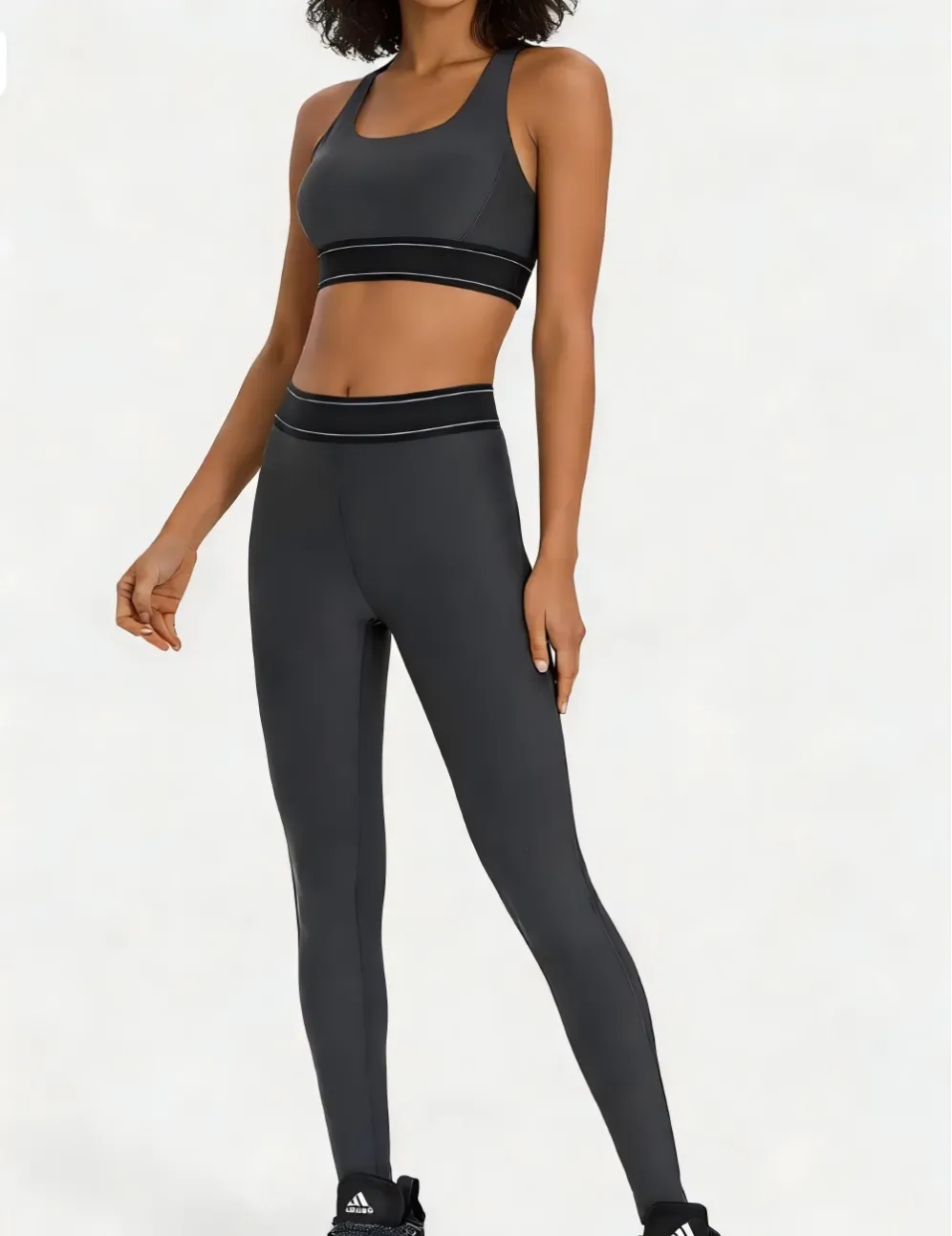
Quality control is most effective when it is planned before production, not added after a problem appears. Activewear brands should define the critical inspection points and acceptable tolerances in the product brief and approval sample.
Measurement checks are the first foundation. Confirm key points such as waist, hip, inseam, bust, length, strap position and garment opening against the approved size chart. Record the tolerance for each point rather than using one tolerance for every measurement.
Inspect seams and construction for skipped stitches, open seams, loose threads, uneven binding and stress points. Performance garments often experience repeated stretch, so construction should be checked in the areas that carry the most movement.
Review fabric and color consistency across the shipment. Check shade against the approved standard, inspect the surface for visible defects and confirm that the correct fabric and color were used for each style.
Branding and labels should be checked for position, spelling, size, wash information and attachment. Small labeling errors can create customer-service problems even when the garment itself is well made.
Packing inspection should confirm folding, size separation, polybag information, carton marks, quantity and shipping documents. A clear packing list makes receiving easier and helps identify shortages quickly.
The final inspection record should connect back to the approved sample and order specifications. Ask who owns the inspection report, how defects are handled and what happens if a correction is required.
Share your specifications, reference sample and packing requirements when requesting production support. Honch Apparel can help brands establish practical quality checkpoints for custom activewear orders.